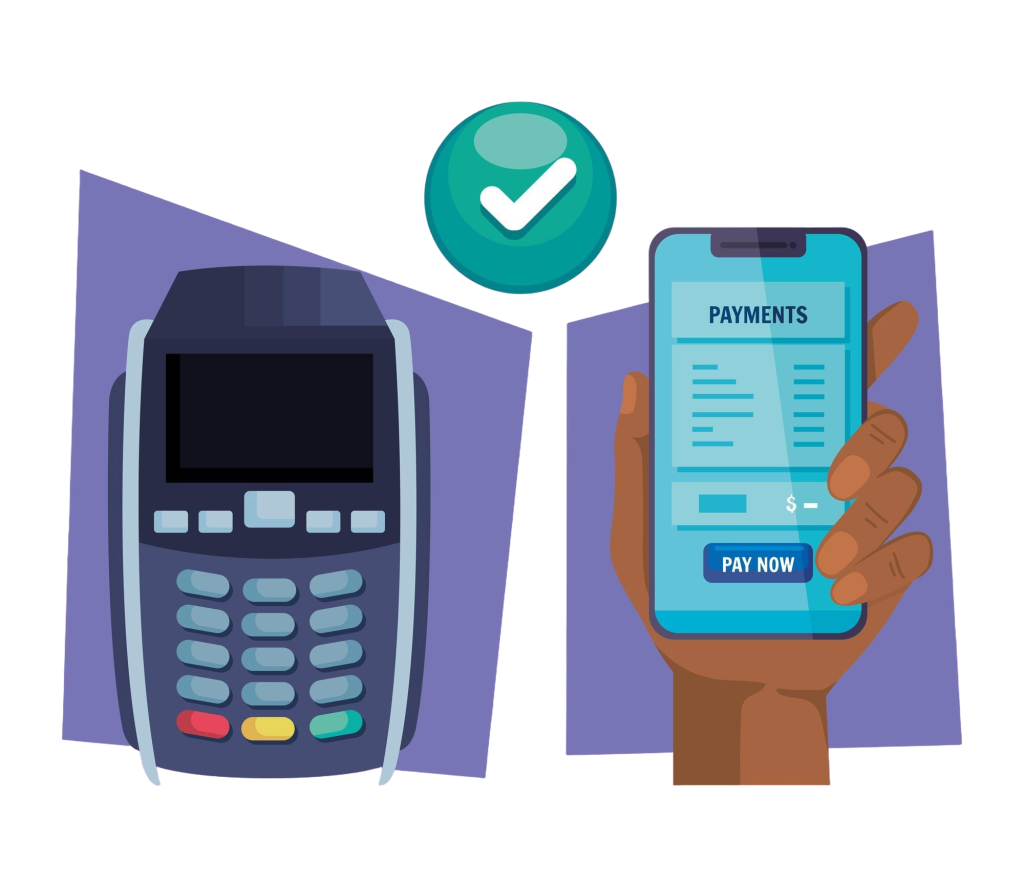
Giving and disbursement is the journey from a donation or a grant to a person actually receiving help. Donors need to trust that money arrives. Recipients need to reach it without friction or indignity. And when the money moves through NGOs, agents and wallets, every handoff is a place trust can leak away.
Where giving breaks
Giving journeys carry a double burden of trust. A donor gives on faith that the money will reach someone who needs it. A recipient waits on faith that help is really coming. Break either and the whole system loses credibility.
The trail is where it usually breaks. Money passes from a donor to an organisation, to a field team, to an agent, to a recipient. Each handoff is a chance for the story to go dark: no confirmation, no receipt, no way to see that the right person received the right amount.
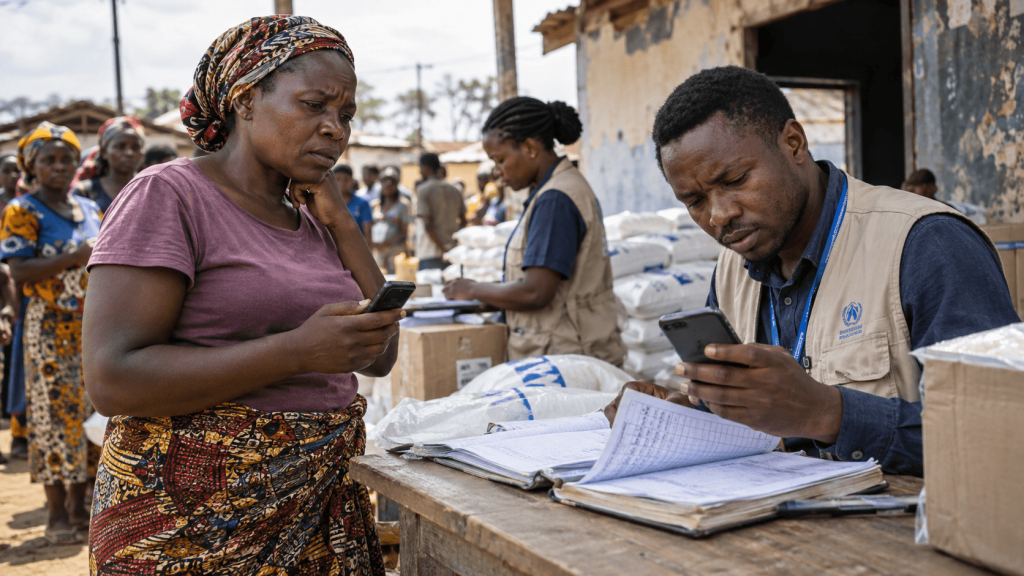
And recipients are often the least-served users in the whole chain: unreliable connectivity, shared or basic phones, low literacy in the interface language. A disbursement that assumes a smartphone and a bank account can exclude exactly the people it was meant to reach.
How
AfriUX approaches it
We design the journey so trust is visible at both ends: the donor can follow where their money goes, and the recipient is met with a flow that respects their reality. We map every handoff and make sure the trail is never lost.
Transparency for donors – We design clear confirmation and progress: what was given, where it is in the chain, and proof of delivery, so trust rests on evidence rather than promises.
Dignity for recipients – We design access around the devices and literacy people actually have: basic phones, agent cash-out, local language and offline confirmation, so receiving help is straightforward, not a second hurdle.

What good looks like
- Donors can see that help reached a real person
- Every handoff leaves a visible, checkable trail
- Recipients reach their money without indignity
- Basic phones and agent cash-out are first-class paths
- Confirmation works even offline and in local languages